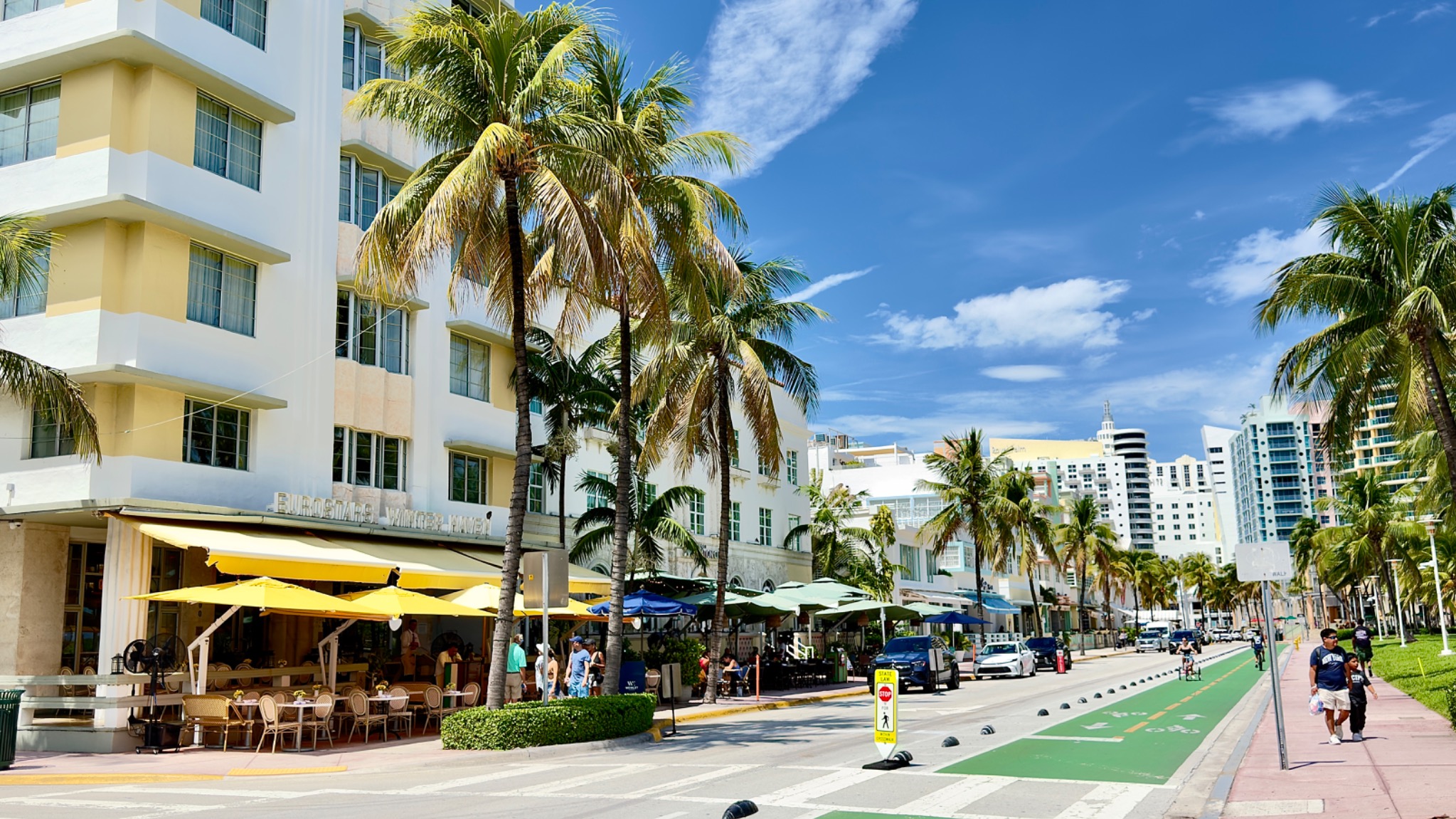
South Beach hospitality operators are facing a familiar September explanation:
“It’s the slow season.”
Then come the supporting reasons: oppressive heat, heavy rain, fewer visitors, cautious spending and intense competition.
Some of those pressures may be entirely real. But “South Beach is slow” still does not explain why one restaurant captures a guest while the neighboring restaurant does not—or why one independent hotel earns the direct reservation while another sends the guest back to an OTA.
Market conditions influence how many potential guests are available.
They do not completely determine which property those guests choose.
The demand has not disappeared
There are several verified signs of active hospitality demand in Miami Beach:
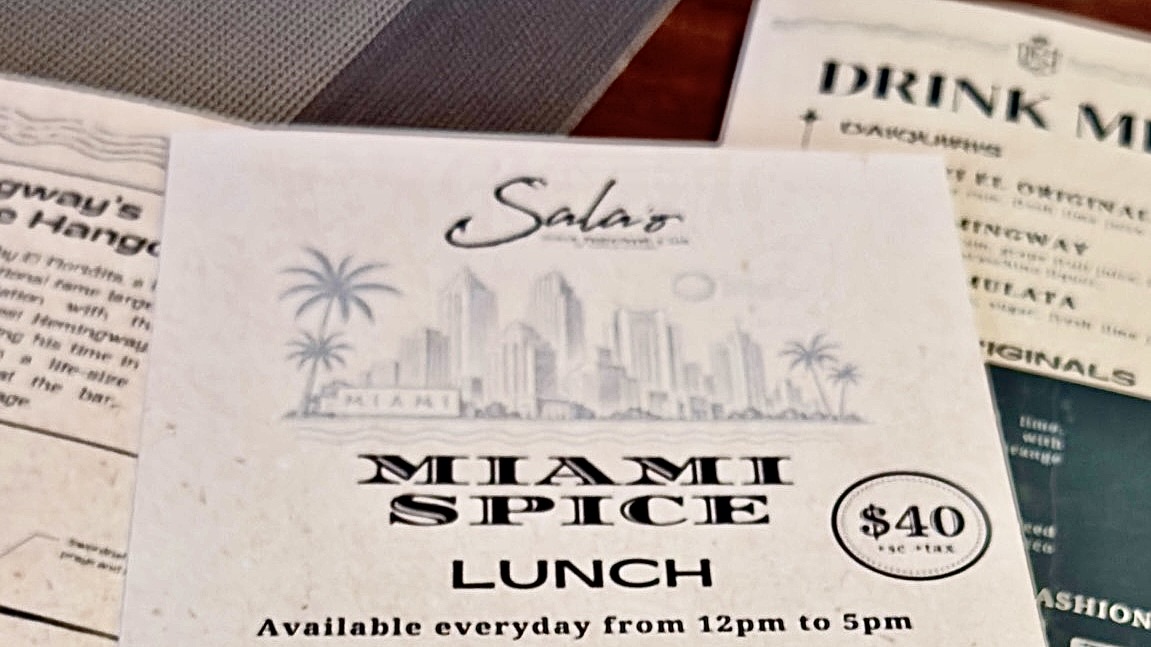
- →Miami Spice continues through September 30, 2026.
- →Miami Beach is offering $1-per-hour municipal parking through October 31, subject to ParkMobile and program limits.
- →The Independent Hotel Show Miami brings boutique, luxury and independent-hotel leaders to the Miami Beach Convention Center on September 16 and 17.
These programs and events do not guarantee revenue for any individual business. They demonstrate that people are still being invited to visit, dine, explore and conduct hospitality business in Miami Beach.
The more useful operator question is not simply:
Why is the market slow?
It is:
Of the suitable demand that still exists, what makes a guest choose us, hesitate—or walk past?
What a South Beach restaurant can still control
A restaurant cannot control the weather. It cannot single-handedly reverse seasonality. It cannot manufacture an unlimited number of visitors.
It can examine whether a passerby understands its strongest reason to enter.
Imagine an Italian restaurant offering an expansive menu, attractive outdoor seating and a visually distinctive signature drink. The experience may be genuinely memorable once someone sits down.
But what if the person walking past cannot recognize any of that?
If every menu item receives equal visual weight, the guest has no confident starting point. If the signature experience is nearly invisible from the sidewalk, one of the restaurant’s strongest assets is working only after the decision has already been made.
The solution is not necessarily to eliminate half the menu or cover the building with signs. It is to create hierarchy:
Signature → recommended → supporting choices
That gives the guest a reason to stop, understand and choose.
It still would not prove that menu clarity caused additional revenue. The restaurant would need to compare observable changes with arrived covers, contribution per cover, guest questions and other authorized operating information.
What an independent hotel can still control
A hotel may already have a photographer, website company, booking engine, OTA representative and concierge.
Every individual provider may be doing competent work.
The guest, however, experiences their output as one journey.
The photographs on Google create an expectation. The website develops it. The booking engine asks the guest to trust it. The confirmation prepares the arrival. Parking, signage and the entrance either fulfill that confidence or interrupt it.
A hotel can therefore possess every necessary vendor and still lack one accountable view of the complete guest experience.
The leadership question becomes:
Does the experience we intend survive every handoff from discovery to direct booking to arrival?
SignalTide does not begin by assuming the property is broken. It begins by finding where the journey becomes inconsistent, unclear or difficult to complete—and then determining what evidence would be required before recommending a change.
What a spa or wellness operator can still control
A spa may present beautiful treatment rooms and calming photography while leaving practical questions unresolved:
- →Which treatment is appropriate for this guest?
- →What is included in the price?
- →Are gratuities or service charges additional?
- →May non-hotel guests book?
- →What should the guest bring?
- →When should the guest arrive?
- →Where should the guest park?
- →What happens after the reservation is made?
Luxury language creates desire. Specific information reduces the uncertainty standing between desire and action.
More traffic will not repair an unclear decision path. It may simply send more people into the same confusion.
Observation is not proof
This distinction matters.
An observer may legitimately say:
The restaurant’s signature drink is difficult to recognize from the sidewalk.
That observation may lead to a hypothesis:
The restaurant may be missing an opportunity to give passersby a distinctive reason to enter.
But it does not justify saying:
The restaurant is losing $30,000 because it failed to advertise the drink.
That financial conclusion requires internal evidence.
The disciplined sequence is:
Observation → hypothesis → question → evidence → recommendation
This is how SignalTide approaches independent hospitality. The objective is not to frighten an owner with an invented revenue-loss figure. It is to locate the commercially important question that deserves an honest answer.
Three conversations worth having now
A South Beach restaurant owner might ask:
Do suitable passersby understand what makes us different before they reach the next restaurant?
An independent hotel leader might ask:
Where does responsibility for the complete guest journey sit when the problem crosses multiple vendors or departments?
A spa operator might ask:
Which questions should our digital experience answer before a guest must call the front desk?
These are not cosmetic questions. They connect visibility, trust and decision-making to the operation that must ultimately fulfill the promise.
I am in Miami and available now
I am Michael Brady, founder of SignalTide. I work directly with independent hotels, restaurants, spas and coastal hospitality businesses to examine the journey between what leadership intends, what guests encounter digitally and what happens at the property.
I will be working in Miami and Miami Beach through September 28, 2026.
If you own or operate an independent hospitality property and suspect that an important part of your guest journey is becoming unclear between discovery, booking and arrival, call or text me directly at 240-354-4124.
If you contact me while I am here and we confirm access, I will come to your Miami or Miami Beach property that same day for a brief, focused conversation.
I will not arrive pretending to know your financial results from the sidewalk.
I will arrive prepared to help you identify the question worth answering before another month of traffic, content or advertising is sent toward the same unresolved friction.
Michael Brady
Founder, SignalTide
Call or text: 240-354-4124
growth@signaltide.net