
SignalTide art-deco editorial illustration for Miami Beach AI shortlist research

For independent Miami Beach hotel owners and GMs

When someone asks an AI where to stay in Miami Beach, is your hotel named?

Shortlist Management is a founder-led monthly engagement for one independent Miami Beach hotel or boutique spa. Michael Brady runs a fixed set of thirty-six prompts across five AI assistants against a named competitor set, fixes the schema, crawler access and rendering that decide whether the property can be read at all, works the Google Business Profile, reviews and directories assistants quote from, and reports the movement every month. $3,000 a month on a six-month minimum.

Market snapshot

The decision now starts with a question, not a search box

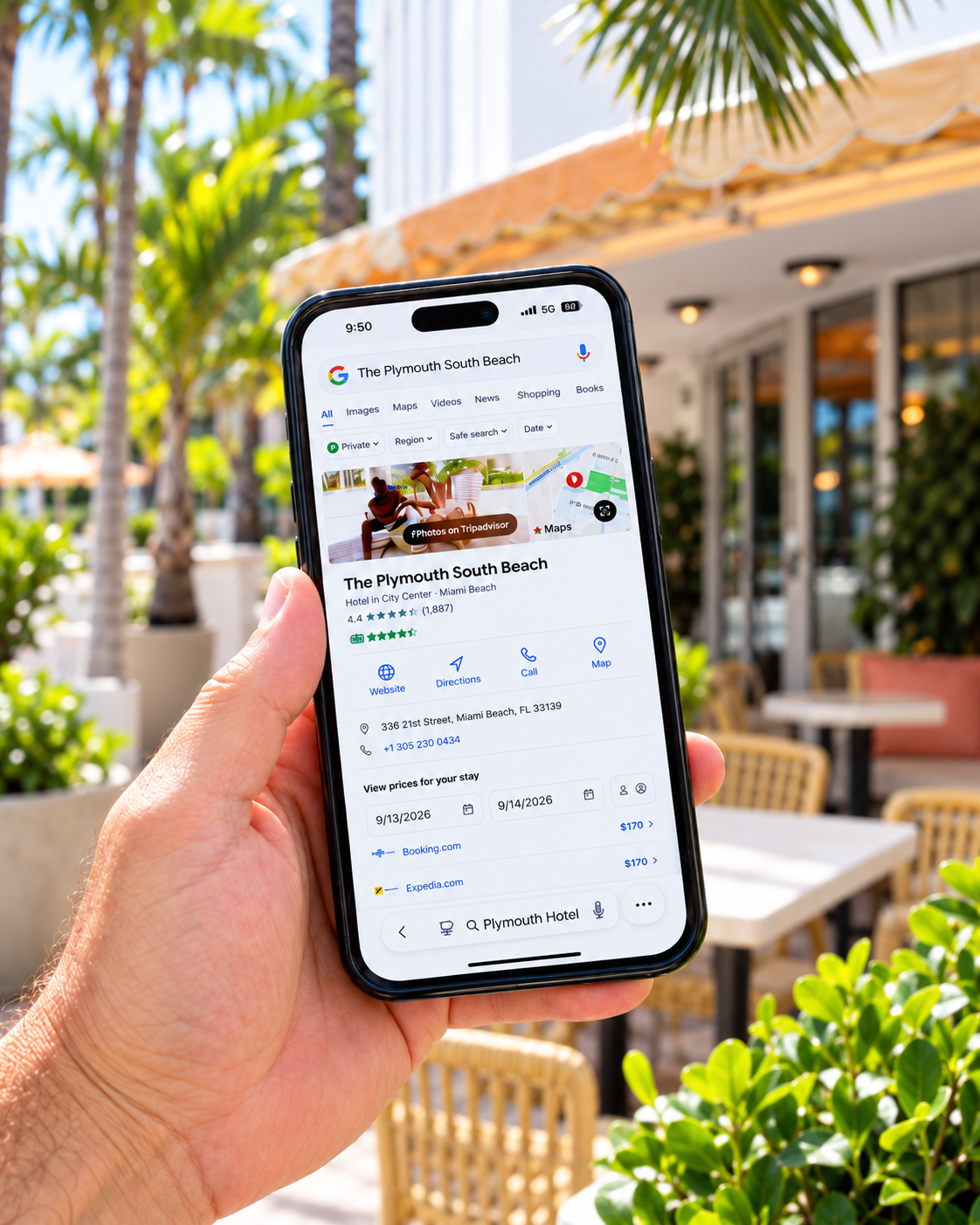
A traveler types a sentence: somewhere quiet in Mid-Beach, walkable, with beach access. An assistant answers with a handful of names and a short reason for each. The property that is not in that answer is not in the comparison, however good its rooms are.

Shortlist Management measures whether your property is one of those names, how it is described when it is, and which competitors appear instead.

Where the promise typically breaks

A strong property can still be absent from the answer. The work looks for causes such as:

  • 01No Schema.org markup for the property, its rooms or its amenities
  • 02Check whether accessible property information is accurate and machine-readable
  • 03AI crawlers blocked in robots.txt or at the edge
  • 04A site that renders its content only with JavaScript
  • 05A Google Business Profile that is incomplete, or reviews that are thin or stale
  • 06Absence from the local roundups and directories assistants quote from

MIAMI BEACH SHORTLIST QUESTIONS

The details a traveler asks about, and whether a machine can answer

Every property is different. The prompt set is written for your property and its guests. These are the questions the measurement asks, not assumptions about every Miami Beach hotel.

  1. 01
    PROMPT AREA

    Whether the property appears at all when a traveler asks about Miami Beach, Mid-Beach or North Beach

  2. 02
    PROMPT AREA

    How the property is described when it does appear, including beach access, parking and fees

  3. 03
    PROMPT AREA

    Which Miami Beach properties appear instead, named and recorded

  4. 04
    PROMPT AREA

    Whether the site's Schema.org markup, llms.txt and AI crawler access are in place

  5. 05
    PROMPT AREA

    Whether the site renders without JavaScript, so an assistant can read it

  6. 06
    PROMPT AREA

    What the Google Business Profile, reviews, directories and local roundups say about the property

MID-BEACH AND NORTH BEACH

One city, three different questions: what changes north of South Beach

Miami Beach is not one guest decision. Someone asking an assistant about a Mid-Beach resort corridor is asking a different question from someone asking about a quieter North Beach stay. The prompt set is written for the questions that belong to your stretch of the island.

Mid-Beach

The Collins Avenue stretch between South Beach and North Beach draws guests who want beachfront with fewer crowds. Mid-century boutiques sit beside large resort and condo-hotel properties, so the answer an assistant gives is often generic unless the property's own detail is readable.

  • 01Is direct beach access, a boardwalk crossing or a beach-club arrangement described in a way a machine can read?
  • 02Does the markup make clear whether the property is a boutique, a full resort or a condo-hotel?
  • 03Are valet, self-parking and Collins Avenue drop-off stated on the site and in the profile?
  • 04Is the quieter evening atmosphere stated plainly, rather than left to a photograph?
  • 05Do the prompts written for Mid-Beach match how a traveler actually phrases the question?
North Beach

North Beach and the Surfside edge attract guests who want a calmer, more residential beach stay, often families and longer-stay travelers. An assistant answers that question with properties whose residential detail it can read, and a South Beach description will not carry over.

  • 01Does the property's own copy set expectations for a quieter, residential neighbourhood?
  • 02Is walkability to restaurants, groceries and the beach stated in readable text?
  • 03Are beach access points and facilities explained, rather than implied by imagery?
  • 04Are transportation options to South Beach, Downtown and the airports stated?
  • 05Do family details such as room configuration, cribs and pool hours appear in structured markup?

WHAT THE ENGAGEMENT DELIVERS

From a measured baseline to a monthly report

Michael establishes where the property places and how it is described, fixes the machine-readable layer that decides whether it can be read, works the sources assistants quote from, and reports the movement on one page each month. Nothing is promised about a ranking position, bookings or revenue.

See the full review scope →

Questions we answer for your property

  • 01Does the property appear when a traveler asks an assistant where to stay in Miami Beach?
  • 02Is beach access described precisely enough for a machine to repeat it accurately?
  • 03Can an assistant read parking, valet, rideshare and check-in details from the site?
  • 04Does the Google Business Profile carry the categories, attributes and photographs assistants quote?
  • 05Are reviews recent enough, and does the property appear in the local roundups assistants cite?
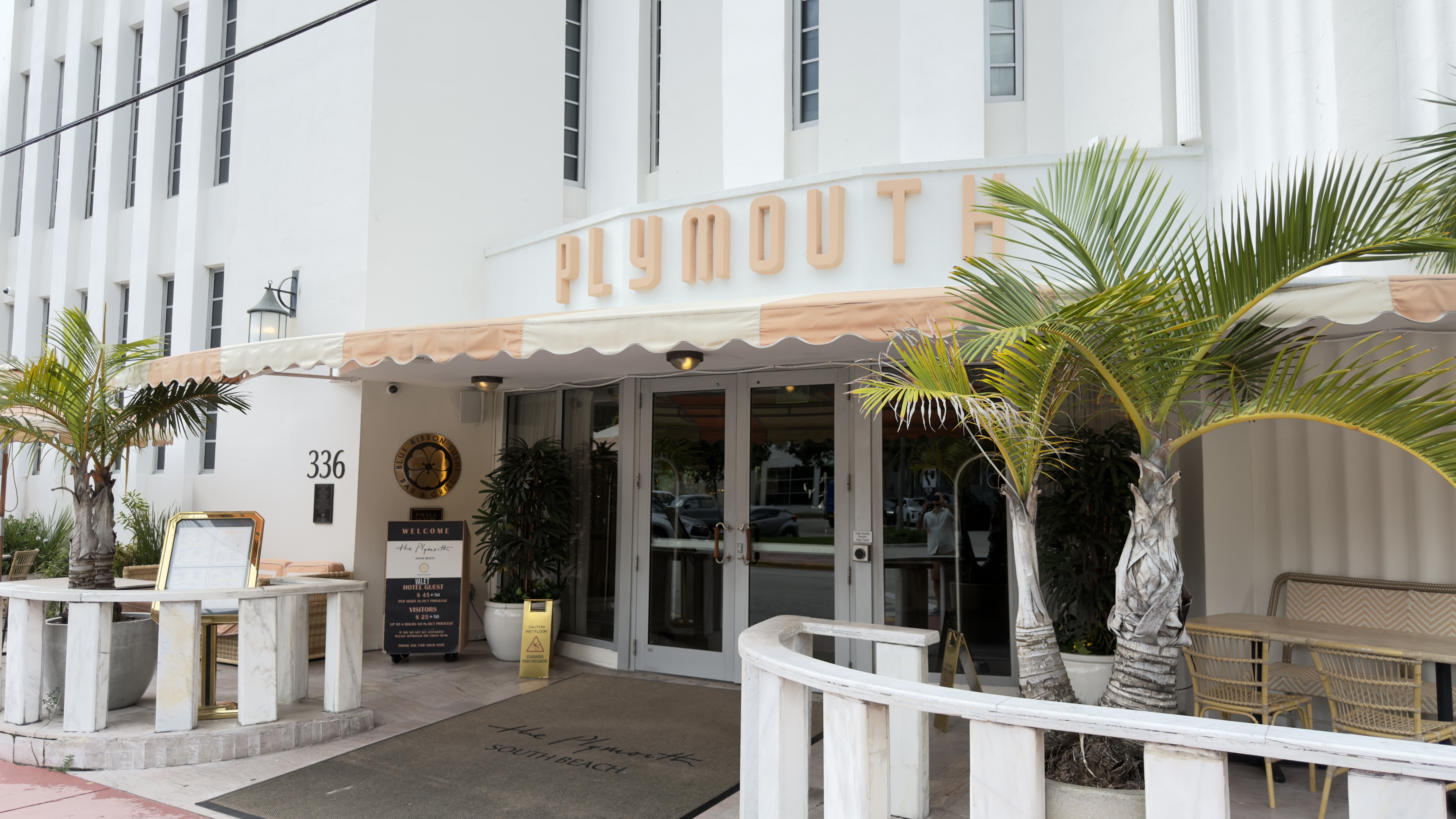
Miami Beach hotel entrance photographed by SignalTide
FIELD OBSERVATION · MIAMI BEACH

From the field

Tracing one question from the prompt to the report

WHAT A GUEST MAY SEEA traveler asks an assistant where to stay in Mid-Beach, quietly, with beach access. A handful of names come back, and the property is not one of them.
WHAT THE REVIEW DOESSignalTide records the prompt, the names that appeared, and how often the property appeared across repeated runs, then fixes what machines read and works the sources the answer quotes from.

Measured placement and movement · no ranking position or booking outcome promised

Questions about Shortlist Management in Miami Beach

A fixed set of thirty-six prompts run repeatedly across ChatGPT, Gemini, Perplexity, Claude and Google AI Overviews against a named competitor set; Schema.org markup, an llms.txt file, confirmed AI crawler access and rendering without JavaScript; Google Business Profile, review volume and recency, directories and local roundup placement; and a one-page monthly report showing placement, movement, competitors gained and lost, and the property's direct-versus-OTA share.

Independent in Miami Beach? Let’s walk it together.

Start with the free Shortlist Test: four booking intents across two engines, one page back, no call required and no data kept. Shortlist Management is $3,000 a month on a six-month minimum. SignalTide takes no percentage of ad spend, bookings or commissions.

Shortlist Management — $3,000 a month. One property. Six-month minimum. The Shortlist Audit is $1,750 and credits in full.

Scope is confirmed in writing before anything starts, and the first twenty minutes are free. What’s included, in full →